







Search Results for: tea extraction
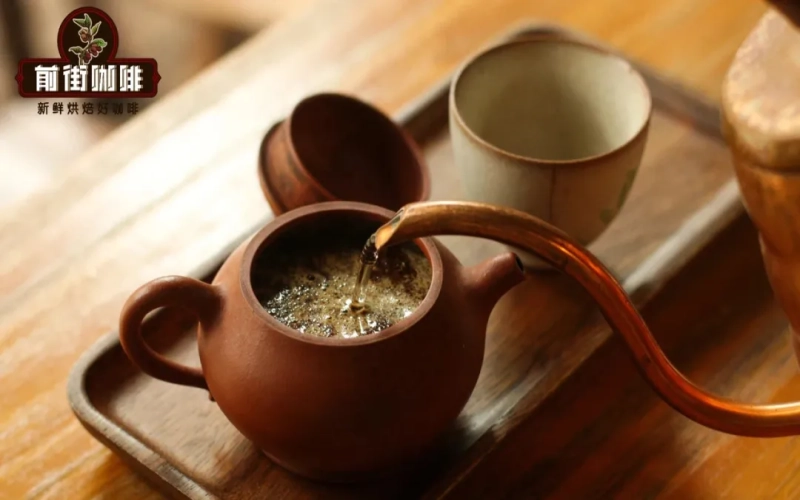
Can an espresso machine also brew concentrated tea? Testing the methods, parameters, and precautions for brewing tea with an espresso machine
The extraction principles of coffee and tea are essentially the same. Since an espresso machine can use pressure to extract a high-concentration coffee in a short time, can it also be used to extract a cup of "espresso tea"? With this question in mind, Front Street conducted an actual test: from the choice of grinding equipment, the adjustment of tea leaf dosage, to the control of the powder-to-water ratio and extraction time, the entire process of extracting tea with a coffee machine was fully recorded. Experiments have shown that a coffee machine can indeed extract tea with a concentration comparable to espresso, but many pitfalls were also encountered during the process—difficulties in cleaning the grinder, clogged portafilter baskets, and tea fragments seeping in and affecting the taste appeared one after another. This article will share the specific parameters and operating details, and give Front Street's practical advice: if you really want to try it, it is best to be mentally prepared, or add professional tea extraction tools. [more…]

Luckin pushes tea brewing machines heavily but gets the cold shoulder from stores: the efficiency dilemma behind freshly extracted tea
Luckin Coffee's light milk tea series, which sold well last year, has recently undergone a comprehensive upgrade, with the core change being the replacement of the previous tea powder with freshly extracted tea. To this end, the brand equipped more than 20,000 stores nationwide with tea extraction machines. However, after the new products were launched, some stores wrapped this machine in plastic wrap, affixed prohibitive labels, or even left it untouched in the warehouse. What exactly is the reason that makes employees shy away from the equipment the company is vigorously promoting? From the burden of cleaning and material waste to differences in store order volumes, what kind of awkward situations has this tea extraction machine encountered in actual operations? This article takes you to find out. [more…]
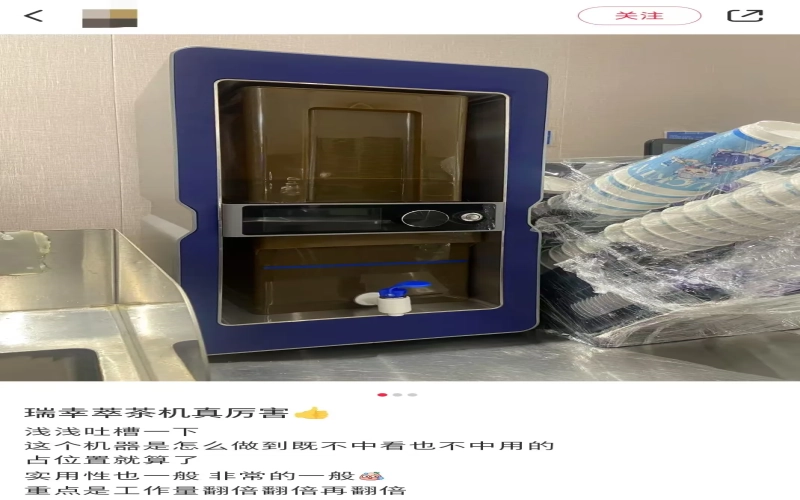
Luckin's tea brewing machine flops in real-world test: cleaning takes forever and it only brews one type of tea at a time; staff say it's no better than hand-brewing
Since September, rumors that Luckin Coffee would fully roll out smart milk tea machines and tea extraction machines have kept the industry closely watching its moves into the milk tea market. Recently, some stores in Guangzhou took the lead in trial-installing the tea extraction machines, only to draw collective complaints from frontline staff. Employees reported that the device is not only bulky and space-consuming, but can also extract only one type of tea liquid at a time, and its cleaning and sanitizing steps are extremely cumbersome. Making a pot of tea base takes more than half an hour from start to finish, making it even less efficient than manual brewing. At the same time, some stores have also seen quality control problems such as rusting metal parts. So how exactly does this smart device perform? Let's take a look at the real feedback from employees. [more…]
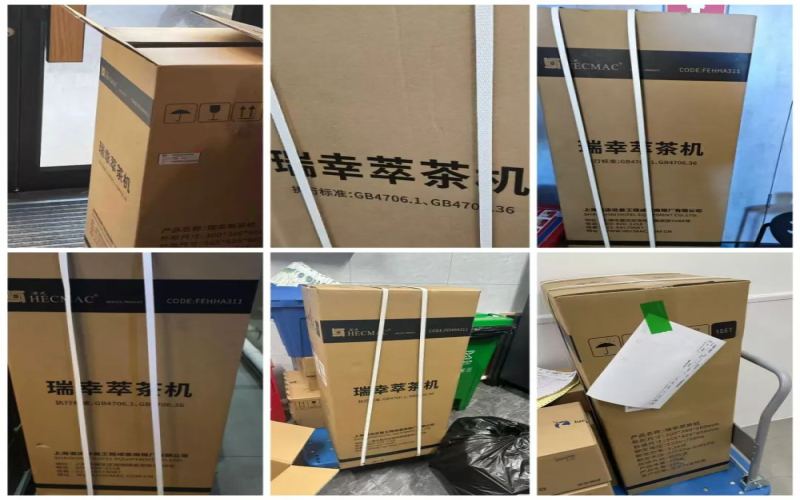
Luckin's tea brewing machines get the cold shoulder at stores: wrapped in cling film, slapped with "do not use" signs, yet rolled out nationwide only to sit idle on counters
Since last December, Luckin Coffee has piloted tea extraction machines in some stores in Guangzhou, planning to replace tea powder in light milk tea with freshly extracted hot tea to enhance the taste and health attributes of the drinks. However, since the testing phase, this device has been complained about by store staff as "good to look at but useless." Now that it has been gradually rolled out nationwide, many stores have wrapped it in plastic wrap and affixed prohibition stickers, turning it directly into an idle ornament on the counter. Staff feedback indicates that it is cumbersome to clean and inefficient, instead increasing the workload. Although management requires its use, frontline employees still deal with back-end detection by "turning it on at the start of the shift and off at the end." This article sorts out the various real-world dilemmas encountered during the tea extraction machine's journey from pilot to promotion, as well as the game between the brand and the stores. [more…]
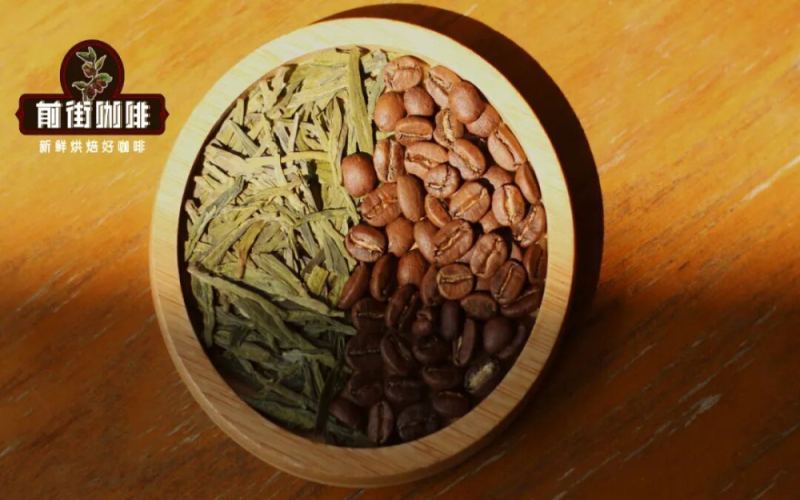
Three Ways to Make Longjing Iced Americano: Can Green Tea and Coffee Be Mixed? Comparing Espresso Machine and Moka Pot Methods
Can green tea and coffee be enjoyed in the same cup? This article centers on Longjing iced Americano, first analyzing the key to harmonizing tea and coffee flavors, then presenting two espresso machine methods and two moka pot methods, followed by a practical tasting comparison. Using Front Street Coffee's Diamond Mountain medium-roast beans as a demonstration, it explains extraction parameters and precautions in detail, helping coffee enthusiasts recreate this novel-style Americano at home. The full text retains brand recommendations and product information for readers' reference. [more…]
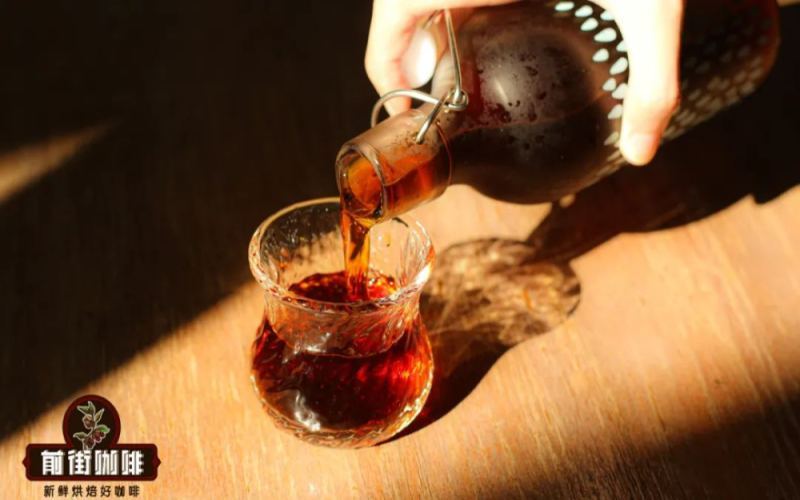
Why Is My Cold Brew Coffee Too Weak? A Complete Guide to Improving Extraction Strength with Tea Bags
Many people making cold brew coffee at home find that even when they use a higher coffee-to-water ratio, the resulting brew still tastes disappointingly weak, and they start to wonder whether they are simply missing professional cold brew equipment. In fact, the problem usually lies in the extraction method itself. In this article, Front Street Coffee will analyze the root causes of weak cold brew and share a practical little trick—using a non-woven tea filter bag to hold the coffee grounds for steeping—so you can significantly boost the strength of your cold brew without buying a dedicated cold brew bottle. The article also verifies the actual effectiveness of tea-bag cold brew through a comparative experiment using two groups of beans, a light roast and a dark roast, and includes specific operational recommendations. [more…]

How can you make pour-over coffee present a green tea-like mouthfeel and sweet aftertaste? Front Street shares three brewing details.
People often say a certain coffee has a "tea-like" quality, yet when you buy it and brew it at home, you can never quite reproduce that flavor—either it turns out bitter, or it has the floral and fruity notes but doesn't taste like tea. What exactly is the tea-like quality in coffee? Which beans are more likely to express this character? Front Street Coffee believes the key lies in three extraction details: choosing a flat-bottom dripper to create an immersion effect, increasing the water volume to promote the release of compounds in the tail end, and reducing the flow rate to extend the extraction time. This article uses an Ethiopian washed Kafa Forest as an example to fully demonstrate a brewing recipe that can bring out a green-tea-like fresh aroma and sweet aftertaste, breaking down everything from parameters to technique, helping you turn "tea-like" from a description into a real taste in your cup. [more…]

SMILEY's tea beverage brand is set to open its first store in Beijing, entering the mid-range market with steam-extracted tea.
SMILEY, an internationally renowned IP with a 50-year history, has officially entered the tea beverage sector. Its brand SMILEY tea will open its first global store at Joy City in Chaoyang, Beijing, expected to open on October 1. The brand focuses on whole-leaf steam tea, brewing tea in a way similar to coffee extraction. Its product line covers lattes, pour-over tea, milk tea, alcoholic specialty drinks, and ice cream, positioned at a mid-range price point and targeting consumers born in the 1990s to 1995. Amid fierce competition in the tea beverage industry and where IP collaborations have become the norm, whether SMILEY tea can establish a firm foothold by leveraging its built-in traffic IP advantage still needs market testing. This article also brings coffee knowledge exchange and Front Street Coffee's specialty bean recommendations. [more…]
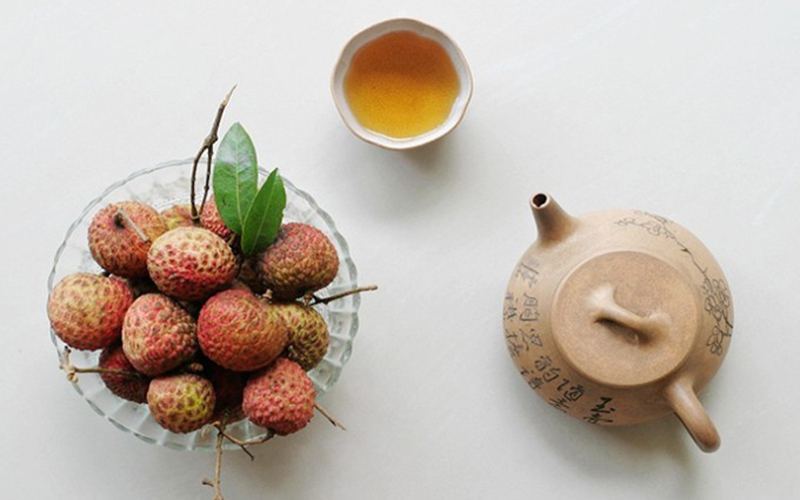
Is lychee black tea a flavored tea? Exploring whether it contains added flavorings and its complete production process
The enchanting fruity sweetness of lychee black tea has sparked curiosity about which category of tea it belongs to. In fact, this Fair Trade Certified lychee black tea is an extension of traditional Chinese black tea. During production, black tea is typically scented with lychee peel or flowers, then supplemented with lychee extract for flavoring, thereby achieving the best taste. Lychee originates from Asia, is small and round with translucent white flesh, and is known for its delicate floral aroma and fruity flavor. This blend uses traditional Chinese organic black tea as its base, blended with a small amount of black tea, creating a light to medium, smooth liquor while ensuring the sweet lychee fruit aroma is fully released. Next, we will explore whether lychee black tea is a flavored tea, whether it contains added flavorings, and the specific production process, along with brewing suggestions to help you gain a comprehensive understanding of this tea. [more…]
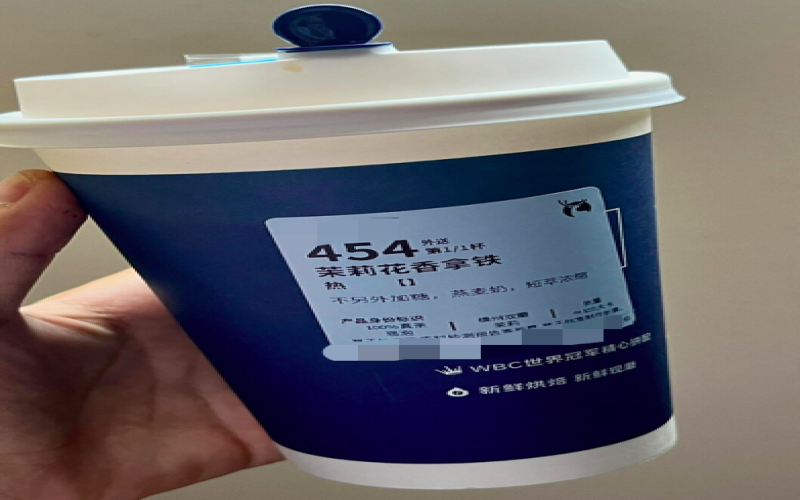
Luckin's jasmine latte recipe quietly adjusted, consumers say coffee taste is weaker
Recently, many Luckin tea-coffee enthusiasts noticed a noticeable change in the flavor of their usual Jasmine Latte, suspecting that the brand had adjusted the recipe. In March of this year, Luckin had just announced an upgrade to its light milk tea, switching from tea powder to freshly brewed tea, and the Jasmine Latte was improved accordingly, with a fresh tea aroma that blended well with the coffee, making it a daily must-order for many consumers. However, starting June 2, regulars reported that the drink tasted weaker, with the coffee flavor almost gone—some even described it as drinking milky tea water. Some customers noticed from the cup labels that the espresso notation had changed from "Espresso Concentrate" to "Short Extract Espresso," and staff also revealed that the ratios of tea, milk, and coffee had all been altered. This adjustment sparked widespread dissatisfaction, with an increase in negative reviews and complaints at stores, and loyal fans calling on the official brand to restore the original recipe. [more…]
Ceylon Black Tea Brewing Tips: Master the Tea-to-Water Ratio, Temperature, and Time to Say Goodbye to Bitter Taste
Ceylon black tea is renowned for its rich, robust flavor, but improper brewing can easily produce a bitter and astringent taste. This article provides a detailed analysis of the flavoring processes for Ceylon black tea, including internal substances, natural extraction, artificial flavorings, and smoking methods, and introduces classic flavored black teas such as Earl Grey, ginger, cinnamon, and Masala. At the same time, drawing on the practical experience of Front Street Coffee, we share the key parameters for brewing Ceylon black tea—the tea-to-water ratio, water temperature, and time—to help you easily brew a cup of good tea that is neither bitter nor astringent and full of aroma. Whether you are a black tea enthusiast or a beginner, these practical tips can take your tasting experience to the next level. [more…]
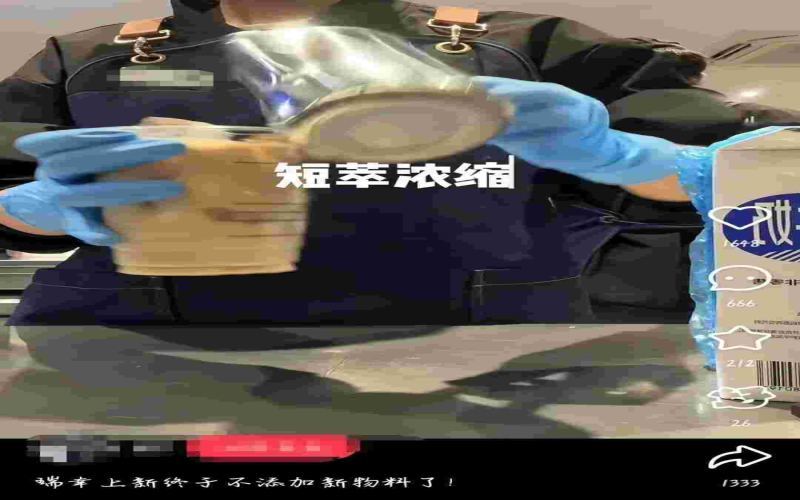
Luckin Employees Leak New Black Tea Latte in Advance, Short-Extraction Espresso Base Sparks Heated Debate and Discontent Among Consumers Again
A Luckin Coffee internal employee recently leaked on social media a new product expected to launch on November 24 called "Crazy Black Tea Latte." A video showing its preparation reveals that the drink still uses a short-extraction espresso as its coffee base, and the news quickly sparked heated discussion online. Many consumers expressed strong dissatisfaction with the short-extraction espresso, arguing that its coffee liquid volume is only about 20 milliliters and that once tea or fruit is added, the coffee flavor is severely masked, leaving the taste as bland as water. Although some customers tried to request a switch to Italian-style ristretto via order notes, they were often refused by stores. The controversy surrounding Luckin Coffee's choice of coffee base continues to intensify. [more…]
How Long Should You Cold-Brew Iced Black Tea? A Complete Guide to the Correct Brewing Method and the Pros and Cons of Drinking It
Cold brew tea has become increasingly popular in recent years. Not only does it release less caffeine, making it suitable for people sensitive to caffeine, but cold water steeping also reduces the extraction of tannic acid, giving the tea a sweeter, smoother taste without bitterness. However, the cold brewing time varies greatly depending on the form of the tea leaves—broken pieces, strips, and ball-shaped leaves each have their own requirements. Steeping too long can lead to over-extraction and a cloudy, bitter brew. This article provides a detailed guide to the suitable tea types for cold brewing, a time reference chart, the relationship between water temperature and steeping duration, and answers to common questions such as whether overnight tea is safe to drink, helping you easily make a delicious glass of cold brew iced black tea. [more…]
Why Does Pour-Over Coffee Taste Astringent? An Analysis of Causes and Improvement Directions from Green Beans to Extraction
When drinking coffee, you may occasionally encounter an unpleasant experience that isn't smooth enough and has a slightly sandy mouthfeel—this is what we commonly call astringency. Where exactly does astringency come from? It may originate from the cultivation and processing of green beans, and may also be closely related to roasting, the mixing in of defective beans, and brewing parameters and techniques. This article will start from the material basis of astringency, sort out the difference between positive and negative astringency, analyze the two major brewing causes of over-extraction and uneven extraction, and also clarify the differences between astringency, tea-like character, and a dry sensation, finally offering practical adjustment ideas. The article also retains relevant product and recommendation information from Front Street Coffee, making it convenient for coffee lovers to refer to in daily brewing. [more…]
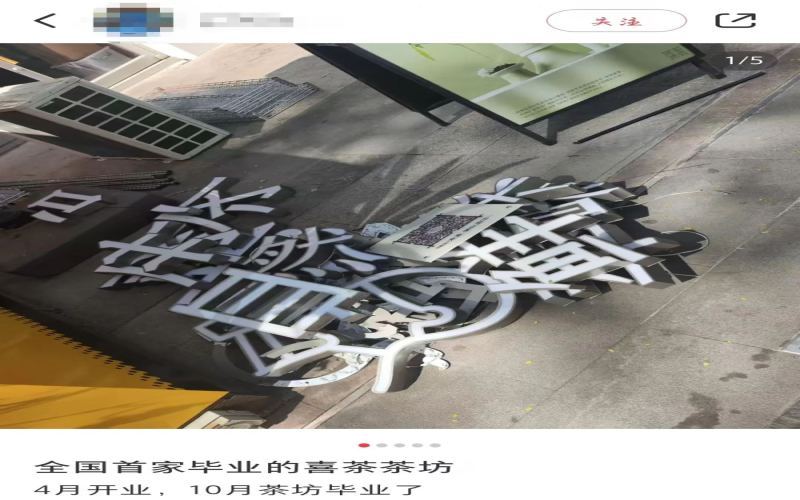
Heytea Tea House closes three stores in just six months since opening, sparking heated debate over the fate of its sub-brand.
Heytea's sub-brand Heytea Tea House has recently been reported to have closed stores in Jiangmen, Huizhou, and Zhongshan one after another, just half a year after opening. This store, inspired by Song Dynasty tea houses and specializing in freshly extracted tea lattes, was once a popular spot for fans to line up and check in. Since its launch in 2017, Heytea Tea House has only 11 stores nationwide, and the Jiangmen Zhongtian Xindi store is actually its first store to close. This news has led many consumers to think of Heytea's previously discontinued sub-brand "Heye Tea," and has also sparked discussions about competition in the tea beverage market and the survival space for sub-brands. Front Street Coffee continues to follow developments in the coffee and tea beverage industry, bringing readers the latest observations. [more…]

A Guangdong Barista's March Creations: When Pour-Over Techniques Meet Herbal Tea Granules—Dare You Try These Signature Drinks?
In Guangdong, coffee culture and herbal tea tradition have collided to create an unexpected spark. When baristas apply professional techniques like pour-over and espresso to herbal tea granules such as Xiàsāngjú and Bǎnlángēn, what kind of wondrous beverages are born? This article introduces you to three wildly imaginative "herbal tea coffees"—pour-over Xiàsāngjú, espresso Qinghuǒ granules, and a Cantonese-style specialty. From 40°C low-temperature drip filtration to pressurized espresso machine extraction, every step is full of experimental spirit. However, a word of caution: these creative drinks may cause gastrointestinal discomfort, so please do not imitate them rashly. At the end of the article, there are also recommendations for professional coffee information channels such as Front Street Coffee, for enthusiasts to engage in deeper exchange. [more…]

Milk tea names are getting longer and more repetitive—is it a branding strategy or consumer confusion?
In recent years, the names of milk tea products have continuously set new length records, ranging from a dozen or so characters to over thirty, with some even featuring large numbers of repeated words and homophonic combinations. Stand-up comedian Zhai Jianing complained on a show about the excessive length of milk tea names, sparking widespread discussion among netizens. Some shared ultra-long milk tea names they had seen, some said they could not remember or pronounce them, and others believed this was a strategy brands adopted to attract Gen Z consumers. Why has milk tea naming become so extreme? What is consumers' attitude toward this? This article sorts out the marketing logic and market controversy behind the milk tea naming phenomenon, and explores the relationship between drink quality and naming. [more…]
Detailed Guide to Brewing Phoenix Dancong Oolong Tea: Water Temperature and Timing to Unlock the Tea's Aroma
The subtle differences in brewing water temperature often determine the direction of a tea's flavor. The correct water temperature can awaken the hidden aromas and tastes in the tea leaves, while the wrong water temperature may make the tea bitter or bland. Taking Front Street's Phoenix Dancong oolong tea as an example, this article provides a detailed analysis of the ideal brewing temperatures for different tea types, and explores the relationship between water temperature and tea processing methods, oxidation levels, and polyphenolic compounds. At the same time, we will also share practical water temperature control techniques and recommend Front Street brand's Phoenix Dancong products, helping you easily master the optimal water temperature and timing in everyday brewing, and fully release the unique charm of oolong tea. [more…]
Can Cold Water Really Brew Good Tea? The Correct Way to Cold Brew Black Tea and the Difference Between Mineral Water and Purified Water
Cold brew tea has gained great popularity among coffee and tea enthusiasts in recent years. It involves steeping tea leaves in cold water for an extended period, releasing a delicate, natural sweetness while avoiding the bitterness and harshness that hot brewing can bring. But what kind of water produces the best cold brew? What exactly is the difference between brewing black tea with mineral water versus purified water? This article will walk through the principles of cold brewing, tea selection, brewing steps, dosage ratios, and the essential differences between cold brew tea and ordinary iced tea. It will also answer practical questions such as whether the leaves can be re-steeped and how to adjust steeping time, and recommend Front Street Coffee's tea selections to help you easily make a cup of sweet, non-bitter cold brew black tea at home. [more…]
How Are Tea-Bag Coffee and Drip Coffee Different? Testing the True Flavor of Filter-Bag Brewing from Hot Brew to Cold Brew
When the weather heats up, everyone's demand for a pick-me-up coffee rises along with it, and a number of new questions have been popping up in the backend. A reader asked Front Street Coffee: can coffee be brewed directly like a teabag? She felt that drip bags require pouring water in stages and controlling the water volume, which isn't convenient enough. This question actually brings up the fundamental difference in extraction principles between two common convenient coffee formats—steeped bags and drip bags. This time, Front Street Coffee used the same batch of beans to conduct a comparison between hot brewing and cold brewing, testing everything from grind size and coffee-to-water ratio to steeping time, in an attempt to figure out whether coffee brewed in filter bags actually tastes good, and which one is more suitable for which scenarios. [more…]